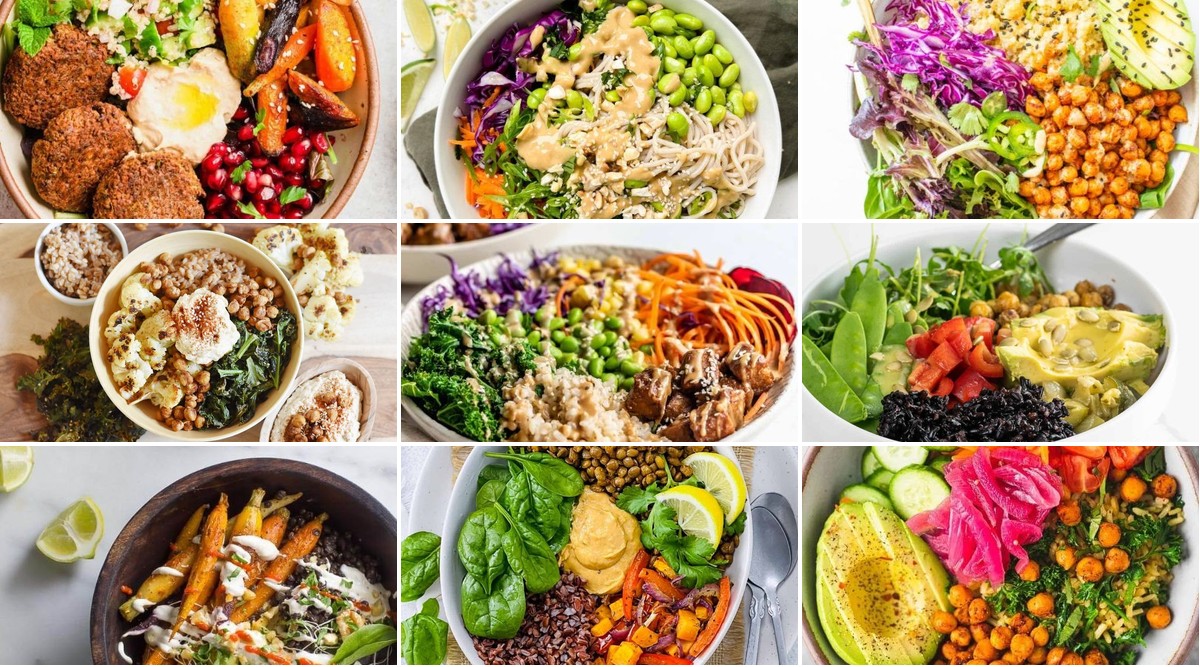
Delectable Buddha Bowls: Flavorful Vegan & Gluten-Free Recipes
In a world constantly seeking healthier, more mindful eating options, one culinary trend consistently shines: the Buddha bowl. These vibrant, nutrient-dense meals are much more than just a collection of ingredients in a bowl; they represent a philosophy of balanced eating, an aesthetic feast for the eyes, and a highly customizable solution for delicious vegan and gluten-free dining. If you're looking for a meal that not only satisfies your hunger but also nourishes your body and delights your senses, diving into the world of Buddha bowls is an experience you won't regret.
Imagine a meal so wholesome, so packed with flavor and dazzling colors, that every bite feels like a conscious act of self-care. That’s the magic of a well-crafted Buddha bowl. They offer an unparalleled way to consume a significant amount of vegetables, proteins, and healthy grains in one sitting, making healthy eating accessible and exciting for everyone, especially those adhering to vegan and gluten-free lifestyles.
What Exactly Are Buddha Bowls? Unpacking the Wholesome Trend
At its heart, a
Buddha bowl is a large, satisfying meal served in a single bowl, typically comprising small portions of several food items, arranged aesthetically. The name is often attributed to the idea that the bowl is filled so generously it resembles the rounded belly of Buddha. Far from being a rigid recipe, Buddha bowls are a concept, a framework for creating balanced and complete meals that are as diverse as your imagination.
They embody the essence of plant-based eating, emphasizing whole, unprocessed ingredients. While the specific components can vary wildly, the underlying principle remains constant: combine a foundation of grains or greens, a plant-based protein, an array of vegetables (raw, roasted, or steamed), a healthy fat source, and a flavorful dressing. This structure ensures a meal rich in fiber, vitamins, minerals, and macronutrients, making them incredibly satisfying and energizing. For anyone embracing a vegan or gluten-free diet, Buddha bowls seamlessly fit into dietary needs while opening up a world of culinary creativity.
Crafting Your Perfect Buddha Bowl: Essential Components & Flavor Pairings
The beauty of
Buddha bowls lies in their modular nature. Each element plays a crucial role in creating a harmonious, balanced, and utterly delicious meal. Here’s a breakdown of the key components and how to combine them for maximum impact:
- The Base (Grains or Greens): This is your foundation.
- Grains: Quinoa, brown rice, farro (if not gluten-free), millet, or even wild rice provide complex carbohydrates for sustained energy. Quinoa, in particular, is a standout, offering a complete protein profile and a delightful texture that can turn even the most hesitant diner into a believer. Its ability to absorb flavors makes it a perfect companion for a variety of ingredients, mingling effortlessly with sweet potato, kale, and chickpeas for a truly blissful bite.
- Greens: For a lighter base, sturdy greens like kale, spinach, mixed spring greens, or even shredded cabbage work wonderfully. They add freshness, volume, and a significant boost of micronutrients.
- Plant-Based Protein: The muscle of your bowl, keeping you full and energized.
- Legumes: Chickpeas, black beans, lentils, or edamame are fantastic sources of protein and fiber. Flavorful chickpeas, for instance, are a staple, often roasted with spices to add a delicious crunch.
- Tofu/Tempeh: These versatile soy-based proteins can be baked, pan-fried, or grilled. If you've been unsure about cooking tofu, consider bathing it in a savory peanut sauce. This method transforms it into a delectable, mouth-watering star, providing a satisfying, protein-packed anchor for your meal.
- Vibrant Vegetables: The heart of your Buddha bowl, offering a kaleidoscope of colors, textures, and nutrients.
- Roasted Veggies: Sweet potato, broccoli, cauliflower (especially roasted with turmeric for a spiced texture), Brussels sprouts, or bell peppers add depth and a caramelized sweetness. The roasted turmeric cauliflower, in particular, soaks up its delicious coating, adding an unforgettable kick to every mouthful.
- Fresh Veggies: Sliced cucumber, cherry tomatoes, shredded carrots, juicy oranges, or creamy avocados provide refreshing crunch and brightness. The combination of oranges, crunchy carrots, and creamy avocados, as highlighted in some recipes, demonstrates how well diverse textures and flavors can work together to create a satisfying bowl.
- Healthy Fats: Essential for nutrient absorption and satiety.
- Avocado, nuts (almonds, cashews), seeds (pumpkin, sunflower, chia), or a drizzle of olive oil contribute healthy fats and often a pleasant textural contrast.
- The Dressing: The unifying element that ties all the flavors together.
- Tahini-based dressings (like those often paired with sweet potato and chickpeas), savory peanut sauces (perfect for tofu), or a bright lemon-tahini vinaigrette are popular choices. A well-chosen dressing can elevate your Buddha bowl from good to truly extraordinary.
- Garnish: The finishing touch.
- Fresh herbs (cilantro, parsley), toasted sesame seeds, chopped green onions, or a sprinkle of nutritional yeast add a final burst of flavor and visual appeal.
The Unbeatable Benefits of Embracing Buddha Bowls
Beyond their undeniable deliciousness and aesthetic appeal,
Buddha bowls offer a multitude of benefits that make them an ideal choice for anyone looking to improve their diet, particularly those focusing on vegan and gluten-free options.
- Nutritional Powerhouses: Buddha bowls are a fantastic way to consume "a lot of veggies at once." They’re inherently packed with fiber, vitamins, and minerals, providing your body with the energy and nutrients it needs to power through the day. Many recipes boast impressive nutritional stats; for instance, some protein-packed vegan bowls offer a whopping 27 grams of protein and 13 grams of fiber per serving – an excellent quick lunch on the go! This makes them a wise choice for nourishing your body without "breaking the calorie bank."
- Mastering Meal Prep & Convenience: For those with a busy work week ahead, Buddha bowls are a game-changer. You can prep a bunch of ingredients ahead of time – cook your grains, roast your vegetables, prepare your protein, and make your dressing – then simply assemble and chow down when hunger strikes. This proactive approach ensures you're always giving your body wholesome, balanced meals, even on the busiest days. For more detailed strategies on making your week easier, check out our article on Nourish Your Body: Easy Buddha Bowls for Healthy Meal Prep.
- Dietary Inclusivity & Versatility: One of the most compelling aspects of Buddha bowls is their natural alignment with various dietary restrictions. They are effortlessly vegan and often gluten-free, making them appealing to a wide array of eaters. Whether you're plant-based, have sensitivities, or simply seeking healthier alternatives, these bowls offer incredible flexibility.
- Sensory Delight: Buddha bowls aren't just good for you; they're a joy to eat. They "delight your eyes with dazzling colors" and offer a "variety of flavors and textures to tickle your palate." Imagine the crunchy carrots against creamy avocado, or the chewiness of quinoa complementing roasted sweet potato. This multi-sensory experience makes healthy eating far from boring.
- Quick & Easy Preparation: Don't let their sophisticated appearance fool you. Many Buddha bowls can be whipped up surprisingly quickly. Some "magical" combinations can be prepared in as little as 15 minutes, making them perfect for those spontaneous healthy meal cravings. Discover more speedy options in our guide to Minute Buddha Bowls: Quick & Colorful Meals for Energy.
Tips for Buddha Bowl Brilliance: Elevating Your Culinary Creations
To truly master the art of the
Buddha bowl and make every meal "beyond delecta-bowl," consider these practical tips:
- Batch Cook Like a Pro: Dedicate an hour or two on the weekend to cooking grains, roasting various vegetables, and preparing a batch of dressing. This ensures you have ready-to-assemble components for quick meals throughout the week.
- Embrace Contrasts: Aim for a balance of textures (creamy avocado, crunchy roasted chickpeas, chewy grains) and flavors (sweet potato, savory peanut sauce, tangy citrus). These contrasts make each bite exciting.
- Master Your Dressings: A great dressing can transform an ordinary bowl into an extraordinary one. Experiment with different flavor profiles – creamy tahini, spicy sriracha-lime, herbaceous pesto (ensure vegan and gluten-free).
- Seasonal Superstars: Build your bowls around seasonal produce. This ensures you’re eating the freshest, most flavorful ingredients, often at their peak nutritional value and best price.
- Don't Fear Tofu: If you're "on the fence about quinoa," or unsure how to cook tofu, now is the time to experiment. Marinate tofu vigorously, then bake or pan-fry until golden and crispy. The result is a delicious, protein-rich addition that even tofu skeptics will love.
- Presentation Matters: Arrange your ingredients thoughtfully. Group similar colors, fan out sliced avocado, drizzle dressing artfully. Your guests will be enchanted by the beauty and deliciousness, and you'll find yourself enjoying your meal even more.
In conclusion,
delectable Buddha bowls offer an unparalleled solution for anyone seeking flavorful, nourishing, vegan, and gluten-free meals. They are a testament to the power of whole foods, an ode to culinary creativity, and a practical answer to healthy eating in a busy world. By embracing the simple, versatile framework of a Buddha bowl, you're not just preparing a meal; you're cultivating a healthier, happier lifestyle, one vibrant, satisfying bite at a time. Trust us, once you start down this path, you won't regret it – your body and your taste buds will thank you.